Site
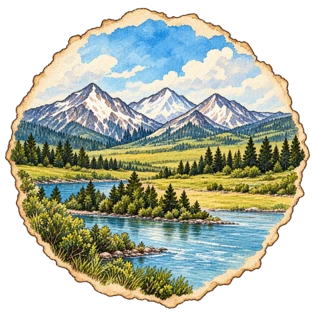
Land, habitat, hydrology, movement, vegetation, access, edges.
// Framework
Most homes harm wildlife before the first wall goes up.
The damage usually starts in the drawings - the site plan, the layout, the materials list - long before a permit is pulled.
Standard green building rarely catches it, because it’s built to measure energy and emissions, not the animals living just past the property line and well beyond it.
The Framework begins by noticing what the drawing leaves out.
Wildlifeel doesn’t tell people what to build. It teaches them what they’re building into.
How I trace it
Every project gets looked at across four points of risk - Site, Structure, Systems, Surfaces - and four phases of care - Alignment, Awareness, Application, Advocacy.
Together, they make sure nothing slips through: not the driveway that fractures a corridor, not the countertop quarried out of critical habitat, not the porch light that quietly rewrites a moth’s night.
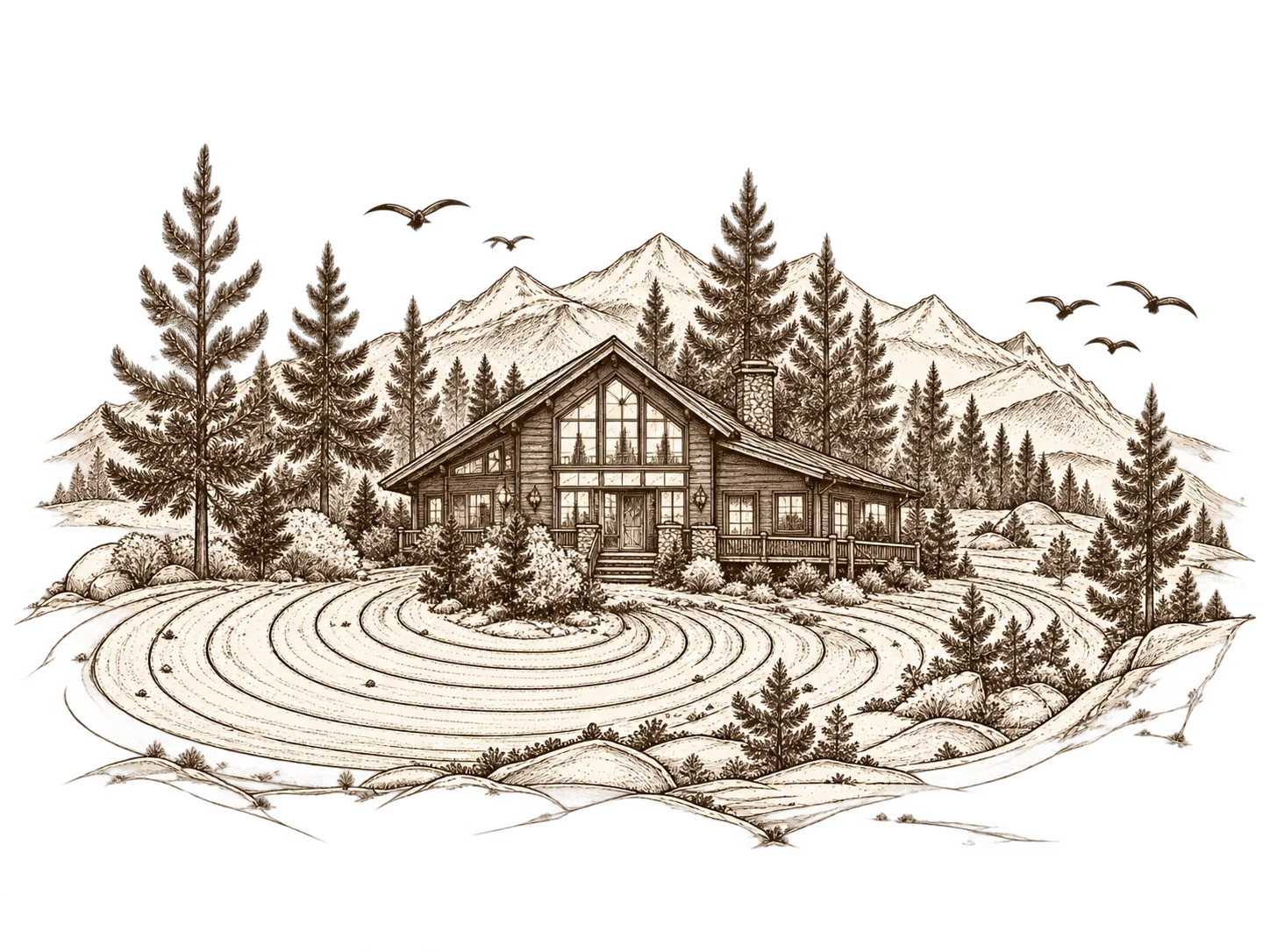
Land, habitat, hydrology, movement, vegetation, access, edges.
Building form, openings, envelope, materials, collision/refuge implications.
Lighting, water, heating/cooling, drainage, energy, noise, technology.
Roofs, paving, glass, fences, finishes, chemicals, outdoor surfaces.
Establish place, goals, constraints, and ecological context.
Identify wildlife, mechanisms, and points of risk.
Translate findings into design choices and priorities.
Communicate, document, maintain, and improve.
Inside the evaluation
Every choice gets walked through the same sequence, whether it’s a tile, a light fixture, a chair or a layout:
Where we’re starting from - what’s already true about the site or the space, before anything changes.
Who’s affected - the specific species or population in the path of the choice, not “wildlife” in the abstract.
How the harm travels - the actual mechanism connecting a decision to a consequence.
How big, how likely, how sensitive - the size of the impact, the odds of it happening, and whether the timing — breeding season, migration, nesting — raises the stakes.
Whether it can be undone - some harm is temporary; some isn’t.
What the alternatives are - and whether they meet the same human need.
What we recommend, and how urgent
One ripple, traced all the way through
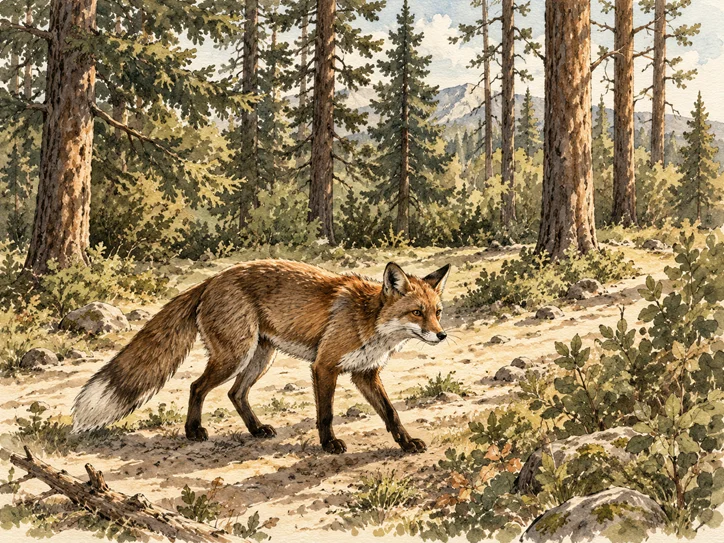
It is a heat island a nocturnal animal now has to cross.
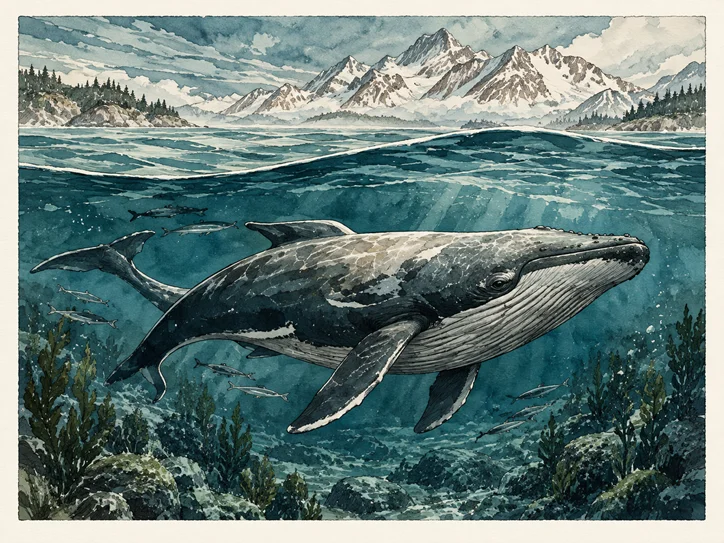
It is a quarry, a shipping route, an ocean a whale is trying to hear across.
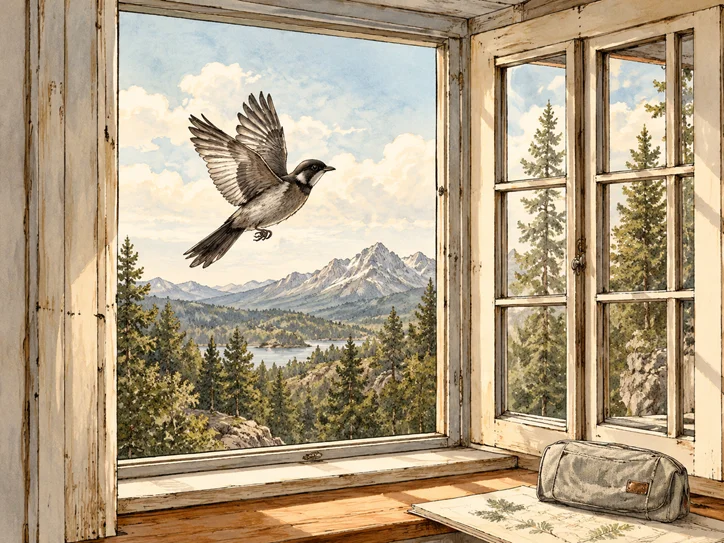
It is a reflection a migrating bird cannot tell from open sky.
A closer look
Two choices. Two very different outcomes.
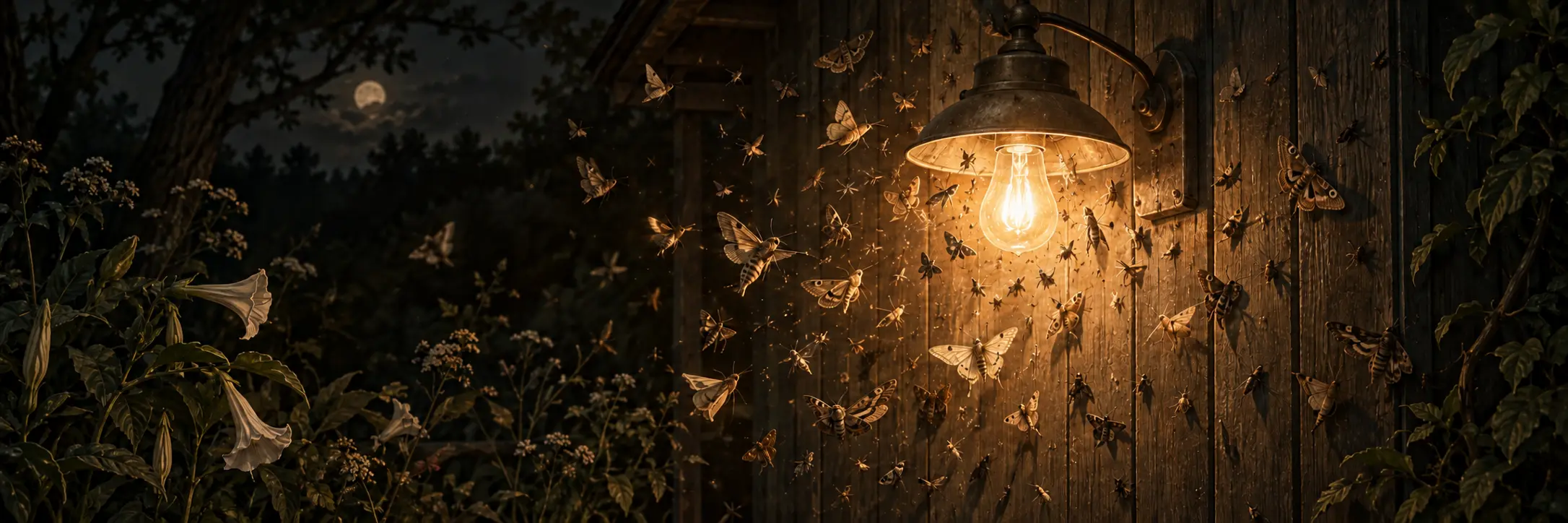
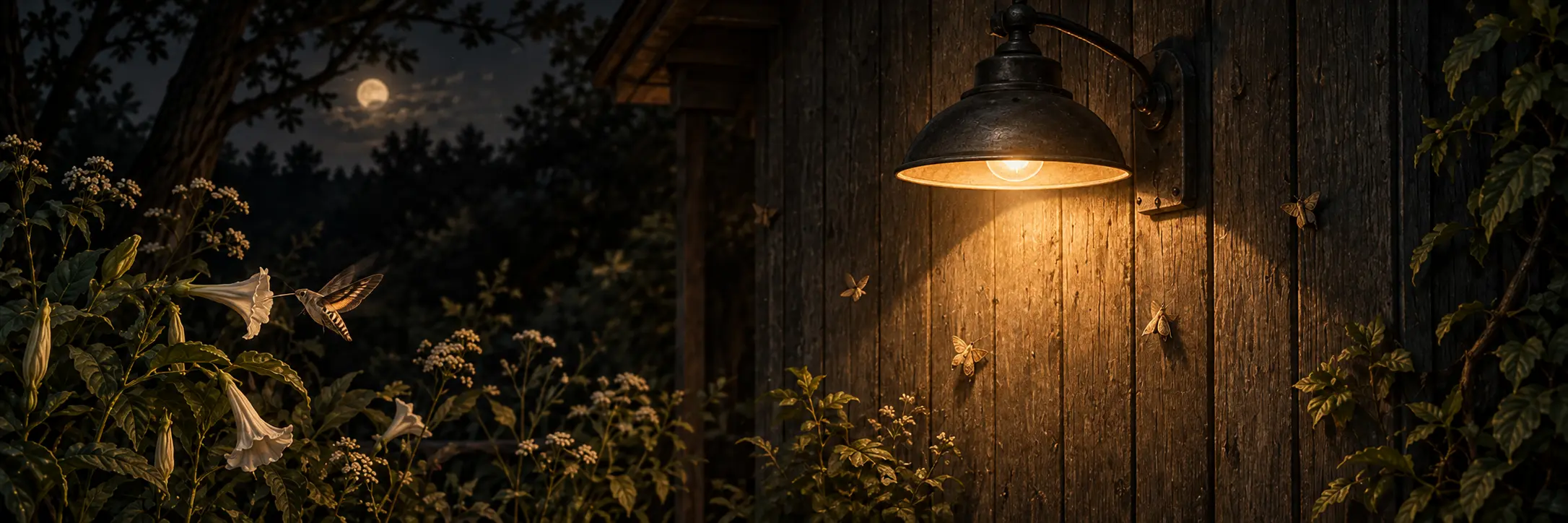
Follow it far enough, and every material choice turns out to be a relationship.
Let’s make it one worth leaving behind.