
Field Note
Building an Ark
how logging hurts and what to do about it
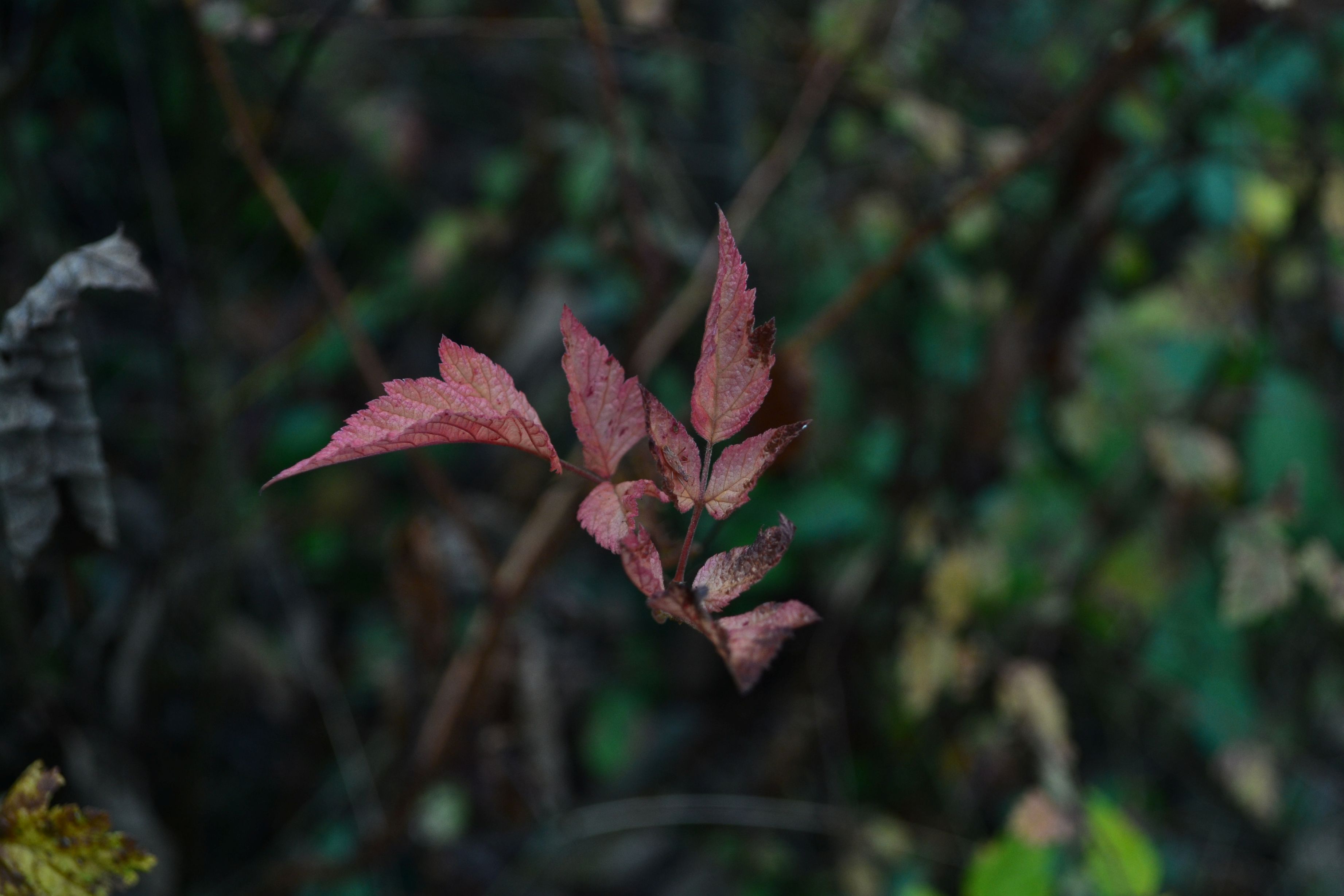
There are days that hit hard. Very unexpectedly. When caring about the living world feels like carrying an unbearable weight.
Recently, the sound of excavators and chainsaws and portable milling machines echoed right across my property line. A neighboring parcel of ancient evergreens... a quiet, towering forest that housed countless birds and wild creatures, and served as a deep sensory buffer for my own home... was brought down to the ground. New owners, related to the originals but so far removed from their heart, their values. Those who hadn’t yet experienced the magic of this place as it’s existed for more decades than I’d like to count. Guardians, gone. Changes they promised their loved ones, nature protectors, they would never make. Because someone, somewhere, needed lumber.
If you are someone whose nervous system is finely tuned to nature, you know that watching a forest fall is so much more than a change in scenery. It’s physical, hurting. A grieving assault on the body. It feels like the desecration of a temple; one that has watched over and cared for the ground to the sky for as far as one could see.
When we combine that with the casual, daily aggression of a world that seems increasingly numb, loud, and careless, it is easy to land in a very dark, very isolated place. We start asking the hard, exhausting questions:
Why am I built to feel all this pain, when I can’t stop it? Why does it feel like the cold-hearted, greedy, and indifferent are the ones who win constantly, never learning, never understanding that they’ve been missing the whole point all along? Why was I cursed with a sensitive heart in a world that seems to reward cruelty?
If you have felt the same - and even the burning rage that can come with it - that deep despair, or the urge to strip yourself of your sensitivity just to survive the week... well then, I am writing this directly to you now.
We have to stop believing the lie that our sensitivity is a weakness. I know, it’s not necessarily a new concept. I’ve read it once or twice before. But really, we need to keep this front and center.
In ancient times, the people who felt the land, who noticed the subtle shifts in the ecosystem, and who grieved the loss of the wild were not viewed as fragile, ever. They were the pillars. They were the keepers of the groves, the guardians, the ones who held the ethical and spiritual baseline for the entire community when everyone else lost their way.
So I want to take that power back, realize that’s what we feel, and bring it back to the surface.
The people who move through this life cutting down everything sacred for a quick payday, or treating others with unprovoked malice, are not "winning" in this life or the next for it. They are living in a spiritual wasteland. They are emotionally deadened and severed from the beauty of the living earth. They are the ones who are impoverished; not us.
We are not helpless, and we are not weak, for our experiences and perspectives. Our capacity to care deeply, to feel grief for a falling tree, and to stand fiercely in defense of life is precisely what humanity was always supposed to be.
We cannot single-handedly fix a broken, aggressive world overnight. But we were never meant to carry the weight of the entire planet on our shoulders….
Our job is to build an Ark.
An Ark is a stronghold. It is a sanctuary. It is the 10 acres I’m turning into a nature preserve for nearby wildlife to run to and find as a safe haven forever, it’s the small backyard, the living room with a bird feeder at the window, or the quiet corner of land where the rules of a careless world do not apply. It is the place where wild creatures find fresh water and undisturbed shelter, where native plants are nurtured, and where human living exists in complete, reverent harmony with nature.
And that’s just part of why wildlifeel at home exists.
I’m not here to build tools, guides, and blueprints for the industry that causes such immense global habitat loss, or for people who just want to check a sustainability box to feel better. I am building them for you… the fellow guardians, the sensitive souls, the quiet keepers of the land who want to turn their grief into direct action; with deep knowing of the ripple effect from local to global wildlife - thanks to our time together through these newsletters and perhaps more in time. Together, we are building tools so that anyone, anywhere, can create their own Ark. That’s holding a quiet power to be mighty proud of. Hopeful power too, one with potential for more and more.
When the world outside feels too loud and too hostile, do not shrink back, and do not try to harden your heart. Turn your energy toward the soil beneath your feet. Protect your boundaries, shelter the wildlife that finds its way to your door, and keep building your sanctuary.
We are strong, we are necessary, and the world needs our open hearts now more than ever.
