Field Notes
One observation. One choice. One ripple worth noticing.
Read Field Notes →
About
Home design changes more than a floor plan. Wildlifeel traces those choices outward - into habitat, movement, water, light, materials, and the lives already here.
The person behind Wildlifeel
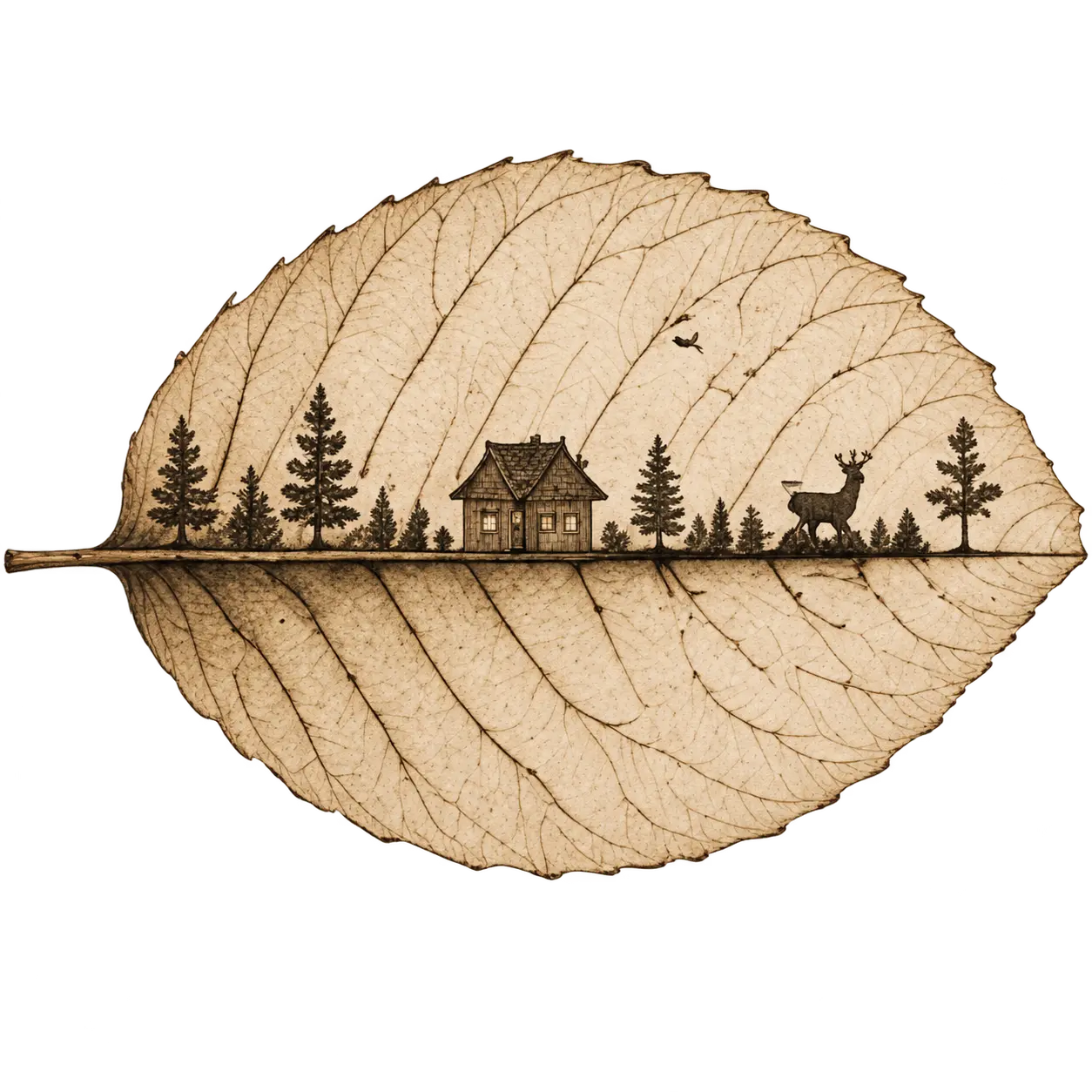
I trained in interior architecture and lived off-grid in the PNW's Olympic foothills for ten years - in a landscape with elk, otters, bears, and a lot of very opinionated songbirds.
Somewhere along the way, I began to deeply understand what my training never taught: every home I helped design was quietly asking someone else to give something up. A nesting cavity. A migration path. A quiet, dark night sky. Their Home.
I didn’t want to keep building that way. So I started tracing it - one choice at a time, from the drawing board to the animal it eventually touches.
That tracing became Wildlifeel.
What I believe
Human and wild. We both need food. Water. Shelter from the night. A place to raise our young. Safe passage. Enough quiet to hear what is coming. Enough darkness to find our way. But surviving was never the whole point of a life, was it?
There are also the moments after - sun on a riverbank, a full belly, the quiet once your young as finally asleep. That feeling that living is actually worth living, not just enduring it. We know this feeling because we have it too. And that's the whole truth Wildlifeel at Home is built on.

What Wildlifeel does
I teach people to trace the ripple - from a single design choice to the animal it eventually reaches - through Field Notes, the Framework, and the Library.
And I do it directly with clients through the Wildlife Impact Assessment or the full Conservation-Based Design engagement.
One observation. One choice. One ripple worth noticing.
Read Field Notes →A repeatable way to trace a choice from the drawing board to the lives it reaches.
Explore the Framework →Guides, species, materials, mechanisms, and the choices that connect them.
Explore the Library →Wildlife Impact Assessments and Conservation-Based Design engagements.
Start here →Where to go next
There’s a path in for every kind of curiosity.